Seasonal Calendar
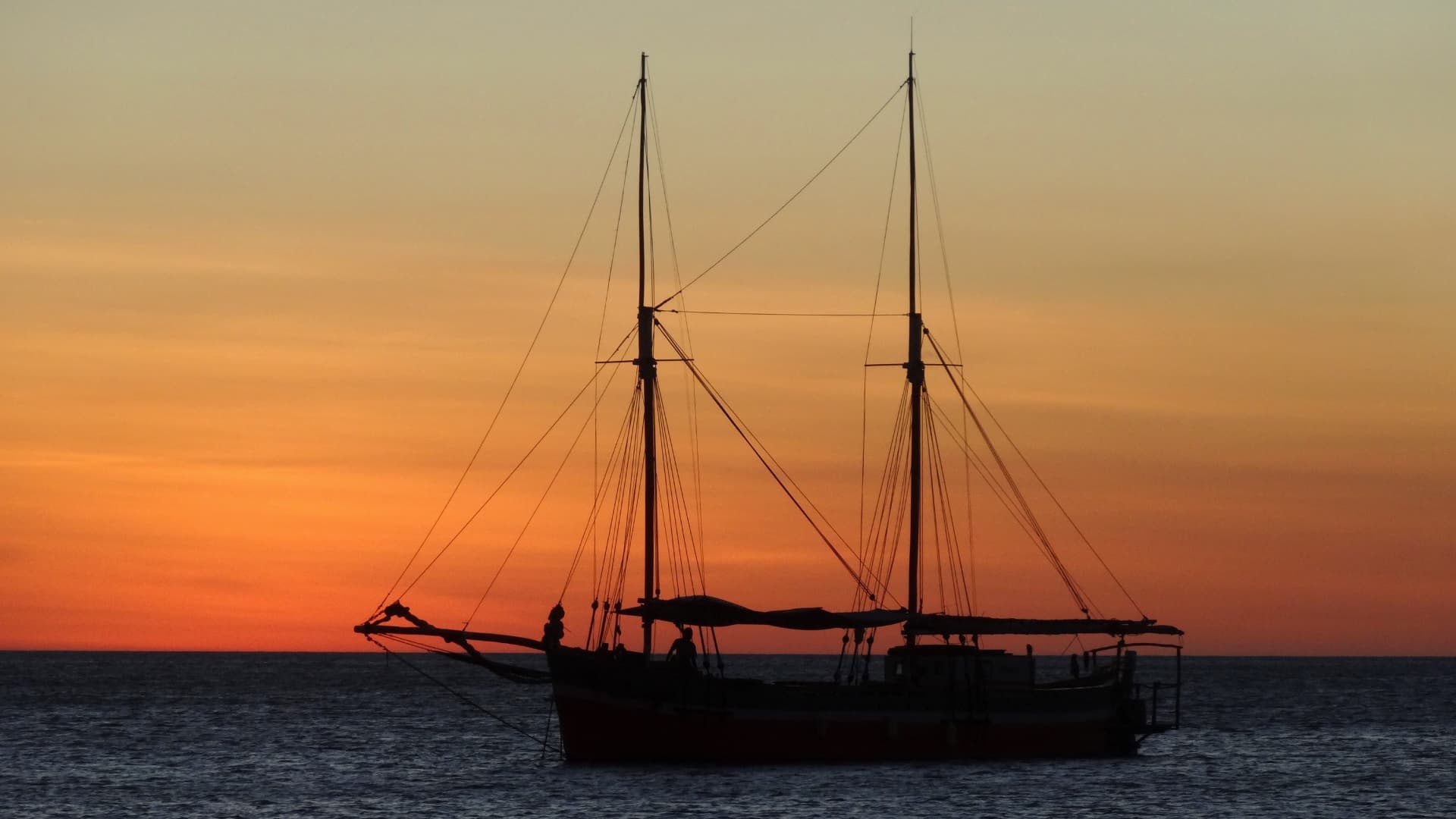
From April to late May, south of Morondava to Tulear passing through this famous large lagoon, where shallow draft schooners navigate in transparent sea rich in aquatic fauna.
Throughout the month of June, Nofy Be cruises migrate, there you can discover many sites off the beaten path and unknown such as the Barren Islands, facing Maintirano, and a little higher up a river ascent over more than 40 km leading to Besalampy. Incredible but equally surprising moment because Besalampy is only accessible by sea.
Then, from June to mid-December, Nofy Be cruises settle in Nosy Be for the pleasure of our guests. This region of Madagascar is certainly the best known, but remains particularly untouched compared to other tourist cruise destinations. Departing from Nosy Be, the world-famous sites there are fabulous, with first-class, preserved and little-frequented fauna and flora. Whether it's the Radama Islands or the Mitsio Islands, these destinations will not leave you indifferent. They are of pure beauty, and ready to welcome you for moments of discovery and unforgettable dives for lovers of very beautiful seabeds.
With Nofy Be cruises, discover the west coast of Madagascar in a few lines.
Morondava & Belo sur Mer
On the west coast of Madagascar, Morondava and Belo/mer are more or less known for their endless beaches. This 1400 km coastline is subject to the assault of the sea which causes significant and rapid erosion. Many villages have been victims of this natural phenomenon, and it is not uncommon from one year to another to see them move.
Barren Islands
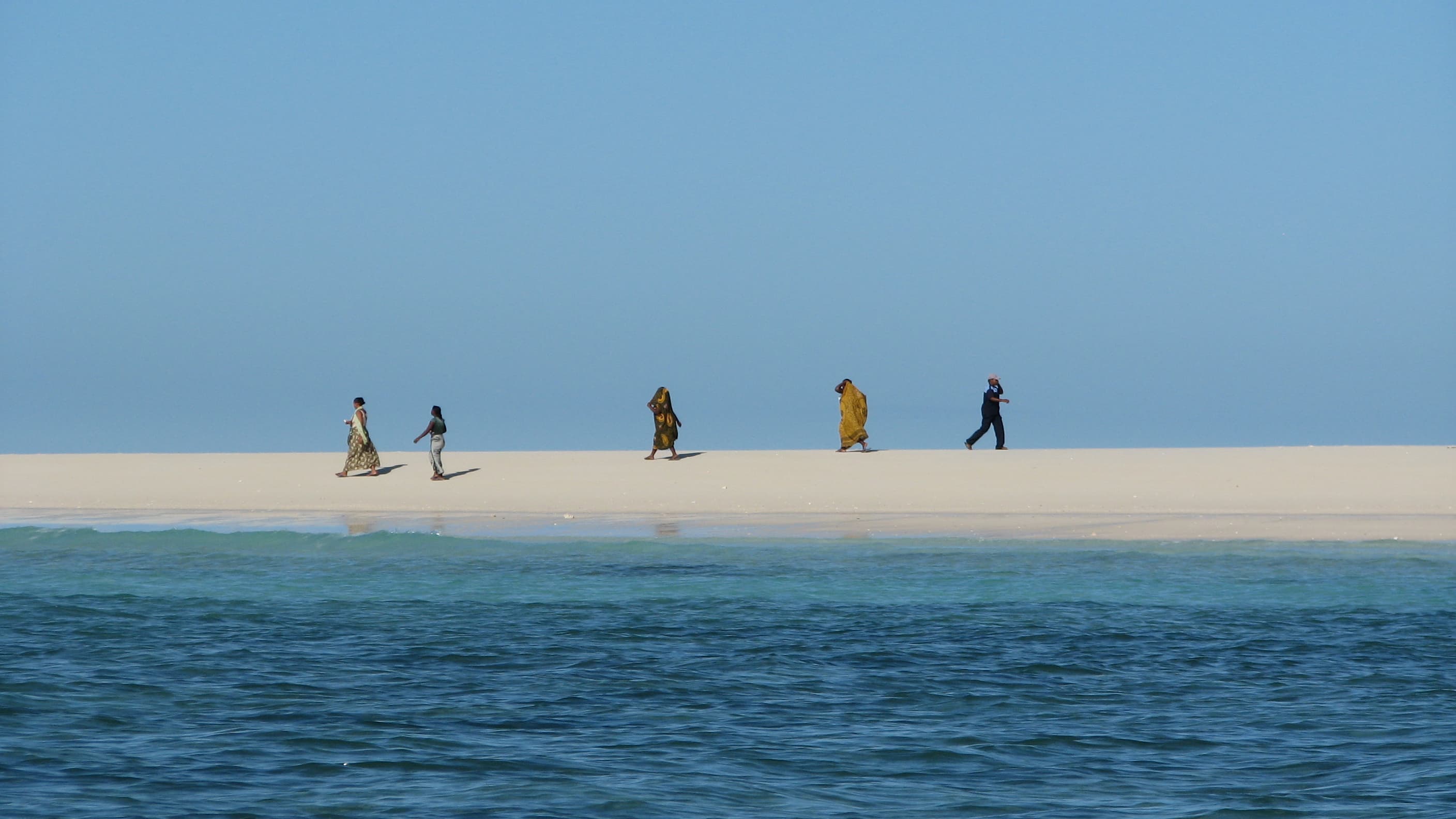
The Barren Islands (Nosy Barren in Malagasy) form an archipelago of 9 main islets/white sand banks located between fifteen and forty kilometers off the west coast of Madagascar, in the Melaky region.
Until about 10 or 15 years ago, it was forbidden according to local traditions (Fady) to live on these islands, simply to rest or take shelter there for fishermen working in the area. Since then, the Vezo community has settled there 6 months of the year, to spend the fishing season in places much more abundant in fish than in the southwest. The migration of this nomadic people takes place from April to November. Their habitat is rudimentary made of small huts made of branches and tents made of old sails and tarpaulins.
From Mahajanga to Nosy Be
Departing from Mahajanga, at the mouth of the Betsiboka river, you will sail north to Moromba bay with its famous Tsingy and its baobabs taking root in the sea. Then the island of Nosy Lava (former penal colony of Madagascar). Then further north, the Radama Islands and their turquoise lagoons, bays like those of Baramamay and the Russians' bay. And finally, one of the jewels Nosy Iranja, with its sand bank of + 1.4 km connecting little Iranja to Grand Iranja.
Not forgetting before landing at the crater (La Marina), this famous diving and snorkeling spot Nosy Tanikely which closes this very beautiful secret navigation. Nosy Be being our last stop. You will discover on this route countless virgin white sand beaches, more beautiful than each other. Sites of great beauty not to be missed.
Month-by-month weather & conditions
Madagascar's west coast enjoys a dry tropical climate, ideal for sailing. Here are the detailed conditions for each period.
Wind patterns
The southeast trade winds blow from May to November at 10 to 20 knots, offering ideal sailing conditions. The Mozambique Channel shields the west coast from Indian Ocean swells, ensuring generally calm seas.
Wildlife calendar
When is the best time to visit?
The ideal period depends on what you're looking for: April-May for the great southern lagoon and tranquillity, June for the migration adventure, August-October for humpback whales, and June-December for the northern archipelagos. Every period offers exceptional sailing with generous sunshine.
Our special offers
Discover our special offers for exceptional cruises

Morondava Belo/Mer and its islets - 5 days
Discover the wonders of Belo sur Mer and its paradise islets during 5 unforgettable days. Full board cruise (drinks not included).